
What is the HbSAg Test?
The HbSAg test, also known as the hepatitis B surface antigen test, checks for a protein on the surface of the hepatitis B virus. This test helps doctors find out if someone has a current hepatitis B infection. In simple terms, the HbSAg test meaning is to detect if the hepatitis B virus is present in your blood. If the test is positive, it means the virus is active in your body. According to the World Health Organization (WHO), hepatitis B is a serious liver infection that can cause long-term health problems. Therefore, early detection with this test is important.
Why is the HbSAg Test Done?
Doctors recommend the HbSAg test for several reasons. For example, it helps find out if you have hepatitis B or if you can spread the virus to others. In addition, the test is useful for people who may not show any symptoms but are at risk. You may need this test if you:
According to the Centers for Disease Control and Prevention (CDC), early testing helps prevent the spread of hepatitis B and protects your health.
How is the HbSAg Test Performed?
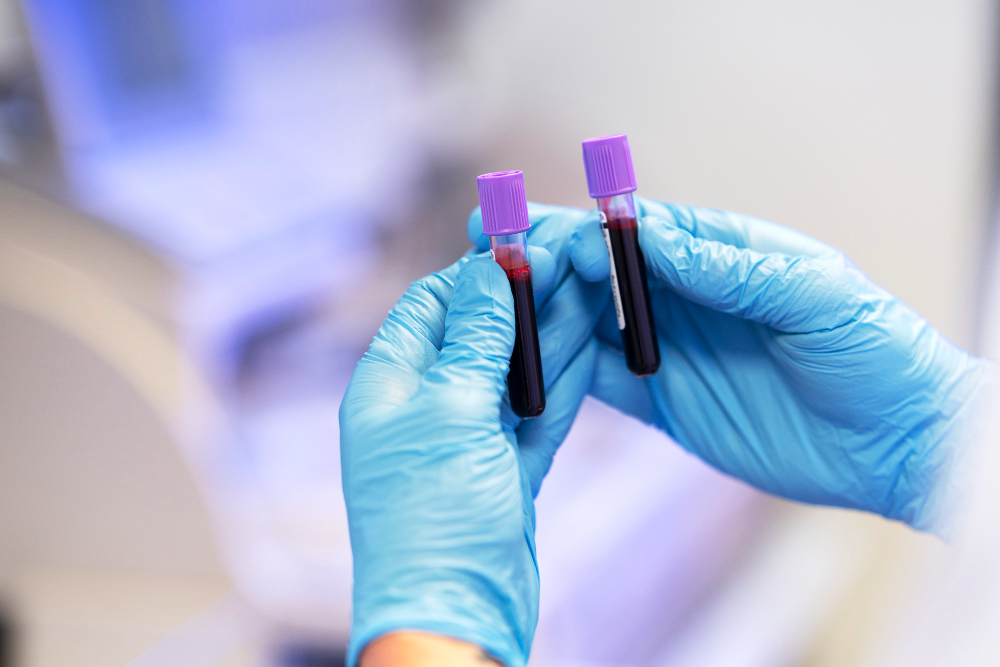
The HbSAg test procedure is simple and quick. First, a healthcare worker will clean your arm with alcohol. Next, they will use a small needle to take a blood sample from a vein. After that, they send the blood to a lab for testing. Usually, you do not need to do anything special to prepare. However, your doctor may give you specific instructions if you take certain medicines. Most people feel only a small pinch during the test. The whole process takes just a few minutes.
Understanding HbSAg Test Results
After the lab checks your blood, your doctor will explain the HbSAg test results. The results are usually:
Sometimes, your doctor may order more tests to confirm the result or check how the infection is affecting your liver. For example, they may check your liver function or look for other hepatitis B markers. Always ask your doctor to explain what your results mean for you.
Risks and Precautions
The HbSAg test is safe for most people. Still, like any blood test, there are a few small risks. For instance, you might feel a little pain or see a small bruise where the needle went in. Rarely, some people may feel dizzy or faint. However, these side effects usually go away quickly. If you have a bleeding problem or take blood thinners, tell your doctor before the test. This helps keep you safe during the procedure.
Frequently Asked Questions about the HbSAg Test
When to Consult a Doctor
If you think you have been exposed to hepatitis B, talk to your doctor right away. Also, if you have symptoms like yellow skin, dark urine, or tiredness, seek medical advice. Early testing and treatment can help prevent serious liver problems. Remember, only a healthcare professional can give you the best advice about the HbSAg test and your health.
Consult a healthcare professional for personalized advice regarding the HbSAg test.