
Introduction to Pancreatic Function Tests
Pancreatic function tests help doctors check how well your pancreas works. The pancreas is a small organ behind your stomach. It makes enzymes that help digest food and hormones that control blood sugar. Sometimes, doctors order pancreatic function tests to find out if your pancreas is healthy. These tests can spot problems early, so you can get the right treatment. If you have symptoms or risk factors, your doctor may suggest these tests. Pancreatic function tests are important for diagnosing pancreatic problems and keeping your digestive system healthy.
Common Symptoms and Reasons for Testing
Doctors may recommend pancreatic function tests if you have certain symptoms. For example, you might notice:
In addition, people with a family history of pancreatic disease or those with diabetes may need testing. Sometimes, doctors use these tests to check for chronic pancreatitis or other pancreatic problems. Early testing can help prevent serious health issues.
Types of Pancreatic Function Tests
There are two main types of pancreatic function tests: direct and indirect. Each type checks the pancreas in a different way.
Direct Pancreatic Function Tests
Direct tests measure how well your pancreas makes enzymes. For example, doctors may use a test called the secretin stimulation test. In this test, a doctor gives you a medicine that makes your pancreas release enzymes. Then, they collect fluid from your small intestine to measure the enzymes.
Indirect Pancreatic Function Tests
Indirect tests look at the results of digestion. These tests are less invasive. For instance, stool tests can check for fat or enzyme levels. Blood tests may also help by measuring certain substances linked to the pancreas. Breath tests are sometimes used to see how well your body digests certain foods.
How the Tests Are Performed
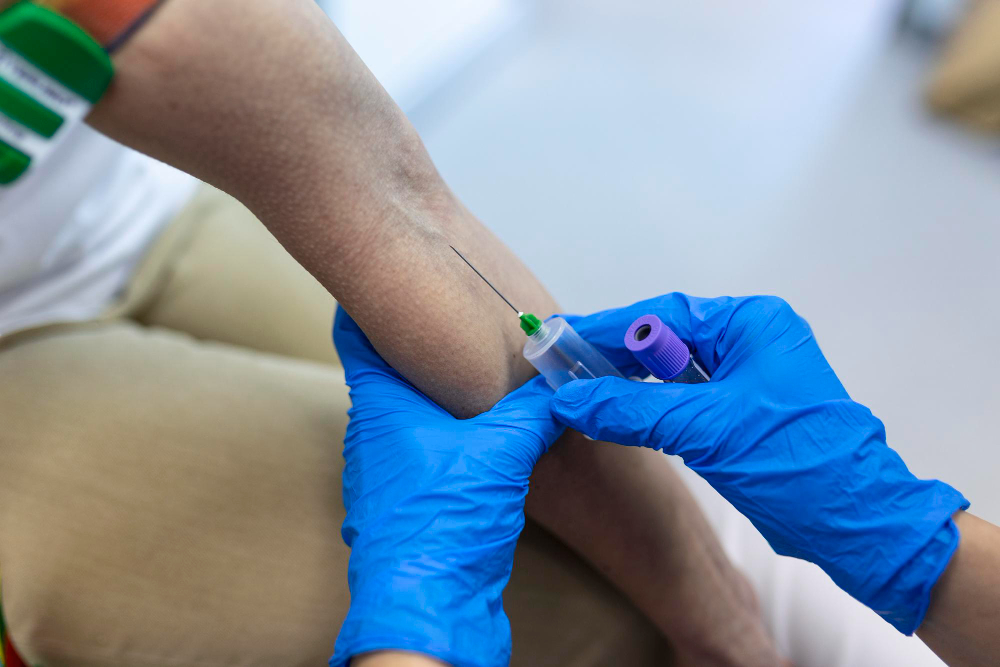
Pancreatic function tests are usually simple and safe. The way each test is done depends on the type:
Most tests do not cause pain. However, direct tests may feel a bit uncomfortable. Your doctor will explain each step before starting.
What Results May Indicate
After the tests, your doctor will review the results. If your pancreas is not working well, you may have low enzyme levels or high fat in your stool. Sometimes, blood tests show high levels of certain substances. These results can point to problems like chronic pancreatitis, cystic fibrosis, or even pancreatic cancer. However, abnormal results do not always mean you have a serious illness. Your doctor will discuss what the results mean for you.
Preparation, Risks, and Aftercare
Before your test, your doctor may ask you to avoid certain foods or medicines. For example, you might need to fast for a few hours. Always follow your doctor’s instructions. Most pancreatic function tests have few risks. Stool and blood tests are very safe. Direct tests may cause mild discomfort or nausea. After the test, you can usually return to normal activities. If you feel unwell, let your doctor know right away.
Prevention and Lifestyle Guidance for Pancreatic Health
Keeping your pancreas healthy is important. You can take simple steps to lower your risk of problems:
Regular check-ups can help catch issues early. If you have a family history of pancreatic disease, tell your doctor. Early action can make a big difference.
When to Consult a Healthcare Provider
If you have ongoing stomach pain, weight loss, or other symptoms, talk to your doctor. Sometimes, mild symptoms can signal a bigger problem. It is always better to get checked early. Your doctor can decide if pancreatic function tests are right for you. They can also guide you on the next steps for your health.
If you have concerns about your pancreas, consult a healthcare specialist for personalized advice.