
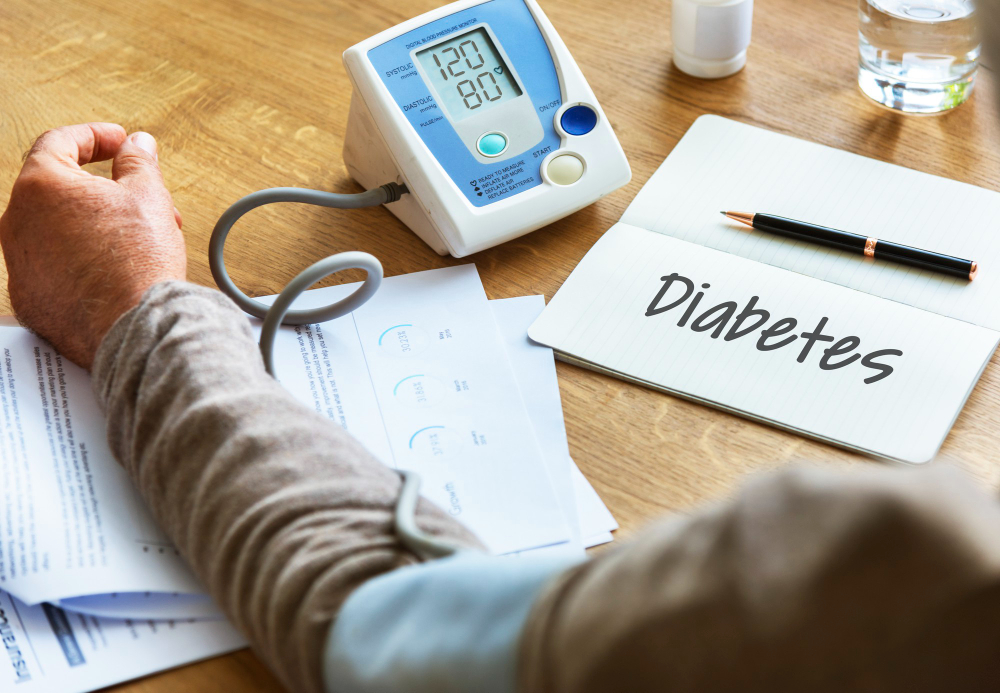
Diabetic nephropathy is a type of kidney disease caused by diabetes. It happens when high blood sugar damages the tiny filters in your kidneys. Early detection of diabetic kidney disease is important. Two key tests are microalbuminuria testing and eGFR in diabetes. These tests help spot kidney problems before they get worse. In this blog, you will learn about diabetic nephropathy, microalbumin, eGFR, and the early-warning signs to watch for.
What is Diabetic Nephropathy?
Diabetic nephropathy means kidney damage from diabetes. Over time, high blood sugar can harm the small blood vessels in your kidneys. Because of this, your kidneys may not work as well. In the United States, diabetic nephropathy is a leading cause of kidney failure. Both type 1 and type 2 diabetes can cause this problem. However, early detection and care can slow or stop kidney damage.
Why Microalbumin Matters: The First Warning Sign
Microalbumin is a small amount of protein found in urine. Normally, healthy kidneys keep protein in your blood. But when kidneys are damaged, protein leaks into urine. This is called microalbuminuria. For people with diabetes, microalbuminuria testing is an early sign of kidney trouble. If doctors find microalbumin in your urine, it means your kidneys may be starting to leak protein. Early treatment can help protect your kidneys.
Understanding eGFR: What Your Kidneys Tell You
eGFR stands for estimated glomerular filtration rate. It is a simple blood test that shows how well your kidneys are working. A high eGFR means your kidneys are healthy. A low eGFR means your kidneys are not filtering blood well. Doctors use eGFR in diabetes to track kidney health over time. Because eGFR changes slowly, regular testing is important.
Early-Warning Signs of Diabetic Nephropathy
Often, kidney damage starts without any symptoms. However, as the problem gets worse, you may notice signs. Early-warning signs of diabetic nephropathy can include:
Even so, many people do not notice symptoms until kidney damage is advanced. That is why regular testing is so important.
Diagnosis: How Doctors Detect Kidney Damage Early
Doctors use a few simple tests to check for diabetic nephropathy. Early detection of diabetic kidney disease can help you get the right care. These tests include:
According to the CDC, people with diabetes should get these tests at least once a year. Your doctor may suggest more frequent testing if you have risk factors.
Prevention and Lifestyle Tips for Kidney Health
There are steps you can take to protect your kidneys. Even if you have early signs of diabetic nephropathy, healthy habits can help. Here are some tips:
With these steps, you can lower your risk of kidney damage.
When to See a Doctor
If you have diabetes, regular doctor visits are important. But if you notice swelling, changes in urine, or feel very tired, see your doctor soon. Early detection of diabetic kidney disease can make a big difference. Your doctor can order microalbuminuria testing and check your eGFR. Together, you can make a plan to protect your kidneys.
Remember: Consult a healthcare specialist for personalized advice on diabetic nephropathy and kidney health.