
Introduction to Clotting Panels
Have you heard your doctor mention a “clotting panel”? If so, you may wonder what it means. In this blog, you will find the clotting panel explained in simple words. These blood tests help doctors check how well your blood clots. They include PT, INR, and aPTT tests. Understanding these tests can help you feel more confident about your health.
What Is a Clotting Panel?
A clotting panel is a group of blood tests. These tests show how quickly your blood forms clots. Blood clots are important because they stop bleeding when you get hurt. However, if your blood clots too slowly or too quickly, it can cause health problems. Doctors use the clotting panel to check for these issues. In the United States, these tests are common in hospitals and clinics.
PT, INR, and aPTT: What Do They Mean?
Let’s break down each test in the clotting panel:
Why Are Clotting Panel Tests Done?
Doctors order blood clotting tests for patients for many reasons. For example, you may need these tests if:
Sometimes, these tests help doctors check if your treatment is working. For instance, if you take warfarin, your INR must stay in a safe range.
Common Symptoms or Situations for Testing
Doctors may suggest a clotting panel if you have symptoms like:
Additionally, if you are about to have surgery, your doctor may want to check your clotting to avoid problems during or after the procedure.
How Are PT/INR and aPTT Tests Performed?
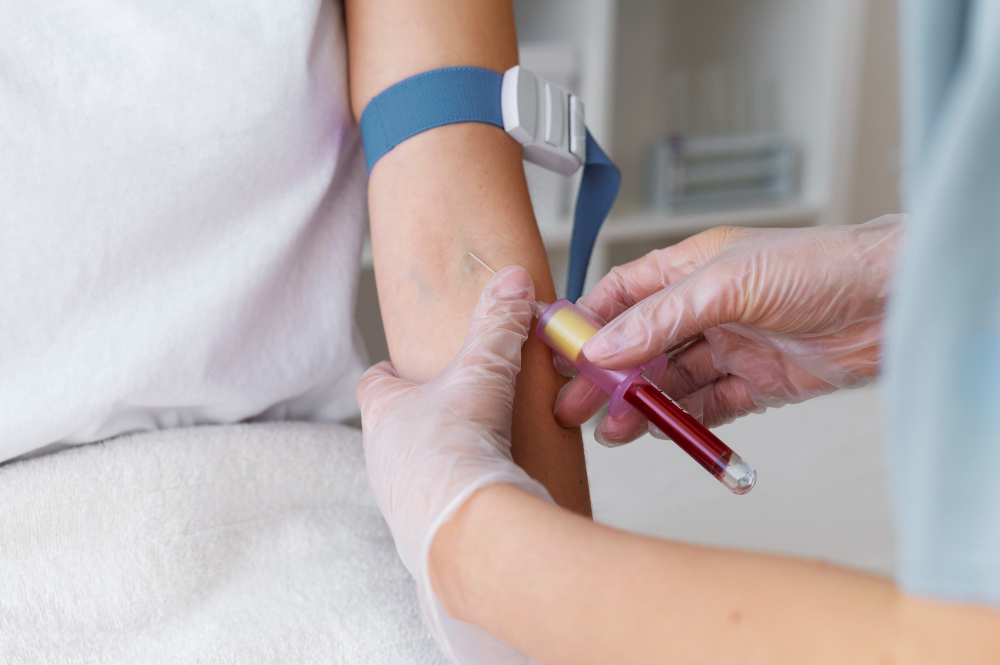
Getting a clotting panel is simple. First, a nurse or lab worker will clean your arm. Next, they will use a small needle to take a blood sample from your vein. The blood goes into a tube and is sent to a lab. There, special machines measure how long it takes your blood to clot. You can usually go home right after the test.
Understanding Normal and Abnormal Results
Normal results mean your blood clots in the expected time. However, abnormal results can mean:
High PT or aPTT may suggest:
Low PT or aPTT is less common but may mean your blood clots too fast. This can increase the risk of dangerous clots.
What Happens If Results Are Abnormal?
If your results are not normal, your doctor will talk with you about next steps. These may include:
In some cases, you may need treatment to lower your risk of bleeding or clots.
Tips for Patients Preparing for Clotting Tests
To get the best results, follow these tips:
Sometimes, certain foods or medicines can affect your results. Always follow your doctor’s instructions.
Conclusion
In summary, a clotting panel explained in plain words helps you understand your health better. PT, INR, and aPTT tests show how well your blood clots. These tests are safe, quick, and important for many people. If you have questions or concerns about your results, consult a healthcare professional for personalized advice about clotting tests.